The Magic of Sharing Food

Mason O'Donnell
| 26-08-2026
 · Lifestyle Team
Sharing a meal gives people a simple reason to sit together, talk, and exchange food. Trying different dishes can encourage conversation and help people become more comfortable with unfamiliar foods and cooking traditions.
Even a small dinner at home can create time for people to connect while preparing, serving, and eating together.
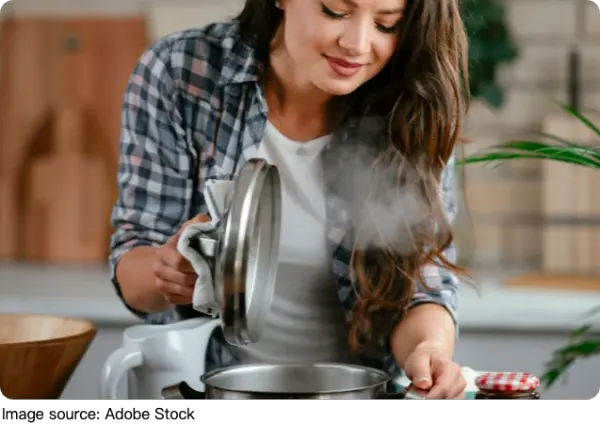
Eating Together Encourages Conversation
A shared meal creates opportunities to discuss the dishes being served, compare preferences, and connect food with personal memories. When several dishes are available, people can choose items together and share portions, which can also encourage them to try foods they might not select when eating alone.
Dining out can make this especially easy because the group can order different dishes and discuss which ones they prefer. A meal does not need to be elaborate for conversation to develop; a simple dinner can provide the same opportunity to sit down and focus on the people at the table.
Food Can Introduce Different Cultures
Meals can also help people learn about unfamiliar foods and cooking traditions. Trying a dish that someone else knows well can lead to questions about its ingredients, preparation, and place in that person's life. This can be useful when people do not share the same language or background. Food gives them a shared activity that does not require detailed knowledge of each other's customs before the meal begins.
Cooking Together Adds a Shared Task
Preparing food together creates another opportunity for interaction because people can divide tasks, exchange cooking techniques, and work toward the same meal. A simple group cooking activity can involve preparing vegetables, mixing sauces, assembling dishes, and setting the table. Participants can learn from one another while working, then sit down together when the food is ready.
For an easy activity at home:
1. Choose a meal that can be prepared by several people.
2. Give each person one clear task, such as chopping vegetables, preparing a sauce, or arranging the table.
3. Prepare the dishes together rather than having one person complete everything.
4. Sit down to eat once the meal is ready and leave time for conversation.
This approach is useful when a group wants an activity that involves everyone instead of asking one person to handle all the cooking.
Keep Dinner Gatherings Simple
A dinner gathering does not require complicated dishes or elaborate preparation. Simple foods such as roasted chicken or homemade pasta can provide enough food for people to sit together without making the meal itself the main focus. One practical approach is to ask each guest to bring a dish connected to their childhood or family. The dishes can then become conversation topics, allowing guests to explain why they chose them and what the foods mean to them.
Regular shared meals can also create recurring opportunities for families and friends to spend time together. The useful part is the combination of eating, conversation, and participation rather than the complexity of the menu.

Sharing food works best when the meal leaves room for people to talk, participate, and enjoy the same activity. A simple dinner, shared dishes, or group cooking session can provide an easy way to create that time, so the next meal can be planned around both the food and the people at the table.