Plant Propagation Guide

Nolan O'Connor
| 02-06-2026
 · Plant Team
Producing a new plant from an existing one is basically free magic.
If you've ever stuck a leaf in water and watched roots appear, you already know the thrill.
The best part? You don't need fancy equipment or a greenhouse to become a plant multiplication wizard.
Why Bother Multiplying Plants?
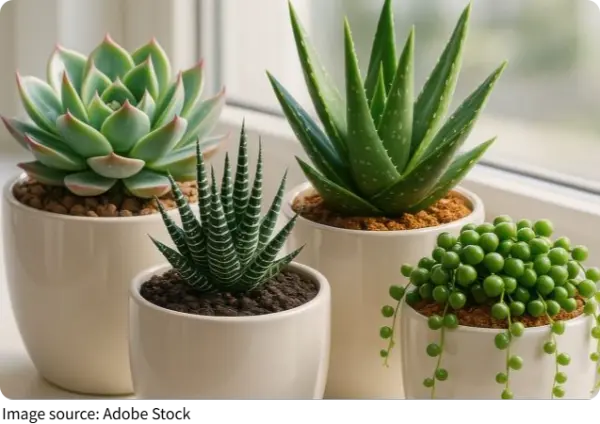
Think of propagation as nature's copy-paste function. Growing plants vegetatively produces an identical plant with the same genetic makeup through methods like cuttings, layering, and division, and different methods work better with different plants. Got a finicky rare houseplant that costs a fortune at the nursery? Clone it yourself. Want to share your favorite rosemary with friends? Snip and gift. Christmas cactus, airplane plant, pothos, snake plant, jade, and aloe are all examples of plants that are easy to duplicate.
Seed Starting: The Classic Route
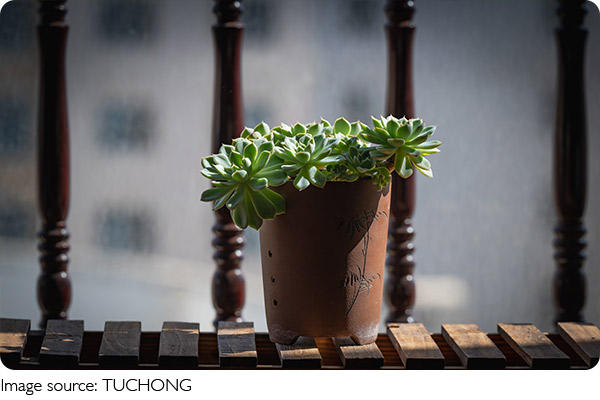
Growing plants from seed is an easy way to get more plants, and seeds can be purchased or collected from plants you already have or from friends. Here's the catch: the resulting plants may not be identical to the parent plant. That tomato you loved might produce slightly different offspring. Use seed that is packed for the current year, as older seeds will have a lower germination rate, and the seed packet gives instructions for how deep to sow the seeds, at what temperature, and whether the seeds need light for germination. Some seeds are drama queens with hard coats. Soften them by soaking in warm water or nicking the seed coat with a file or sandpaper before sowing.
Cuttings: The Most Popular Trick
Stem cuttings are commonly used for ligneous perennials, shrubs, and trees, and the cutting is taken at certain times of the year to reflect softwood, semi-hardwood, and hardwood. Softwood cuttings are succulent growth taken in summer for ligneous plants. Semi-hardwood is partially mature wood used for evergreen shrubs such as azalea, boxwood, and conifers. Hardwood cuttings are taken when the plant is dormant in winter and typically used for deciduous shrubs such as forsythia, spirea, or privet. Use clean, sharp tools to avoid turning your cutting session into a plant massacre. Remove any flowers so the cutting focuses energy on making roots instead of trying to reproduce.
Layering: For the Lazy Genius
The simple layering propagation method is ideal when a branch is hanging low to the ground, where you bend it so part of the branch is below the soil and the tip is protruding, then stake it to the ground. To improve the chance of rooting, the underside of the stem can be cut about 2 inches near the bend. It's basically letting the plant do the work while still attached to its parent. Air layering propagation is often used for houseplants that need rejuvenation, perfect for tall rubber trees or fiddle-leaf figs that won't bend.
Division: The Fastest Shortcut
This is the instant gratification method. Dig up a clumping plant, chop or pull it into sections with roots attached, and replant. Done. Hostas, daylilies, and ornamental grasses love this treatment. It's like getting five plants from one overgrown mess, and your original plant will actually thank you by blooming better.
Whether you're pinching pennies or just love watching green things multiply, plant propagation turns one purchase into an entire garden. Start with something easy like pothos or succulents, get your confidence up, then move on to the fussier stuff. Before you know it, you'll have plants taking over every surface and friends begging you to stop bringing gifts.