Lotus Growing

Amit Sharma
| 25-04-2026
 · Plant Team
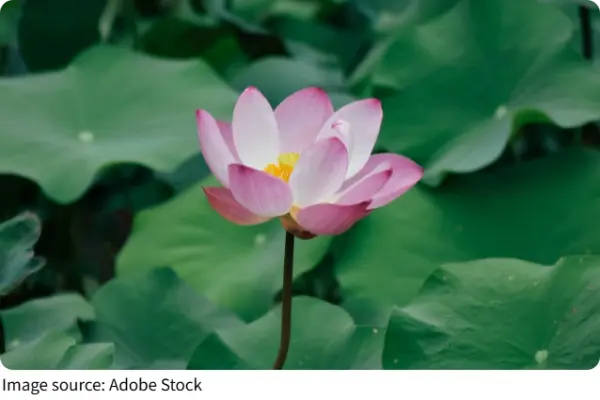
A lotus emerging from still water feels almost unreal at first—broad green leaves spreading like umbrellas, followed by elegant blooms rising above the surface.
Yet behind this graceful image is a surprisingly structured cultivation process that can be managed even in a small home setup with the right conditions.
Understanding Lotus Growth
The lotus is an aquatic plant that grows from a rhizome, not a typical seedling root system. It thrives in shallow, still water with a nutrient-rich base beneath. Unlike many garden plants, it does not grow in ordinary soil beds but instead anchors itself in submerged sediment.
Growth happens in stages: first the rhizome establishes itself, then leaves begin to float, and finally flower buds emerge above the water surface. Each stage depends heavily on stable warmth, sunlight, and water depth.
Choosing the Right Setup
Successful lotus cultivation starts with selecting an appropriate growing environment. Since lotus plants need still water and space for root expansion, the setup must balance depth and stability.
Common setup options include:
• Wide, shallow water basins
• Large ceramic or plastic water containers
• Small outdoor ponds or water tubs
The key requirement is a base layer that can hold nutrients while remaining submerged under water. A mixture of clay-rich soil and organic matter works best because it stays compact and does not cloud the water easily.
Preparing the Planting Base
Before planting, the base layer must be prepared carefully. This step determines how well the lotus will establish itself.
1. Base layering
Place a thick layer of clay-heavy soil at the bottom of the container or basin.
2. Nutrient enrichment
Mix in a small amount of compost to support early growth.
3. Water filling
Slowly add water until it sits about 10–20 cm above the soil layer.
4. Stabilization period
Allow the mixture to settle for a day before planting the rhizome.
This preparation ensures that nutrients remain stable and do not float freely in the water.
Planting the Lotus Rhizome
The rhizome is the most important part of the plant, acting as both root and storage system. It should be placed horizontally on the soil surface, not buried deeply.
Positioning matters:
• Place the rhizome gently on the prepared soil
• Partially cover it with a thin layer of soil to hold it in place
• Ensure the growing tip is not crushed or damaged
Once placed, slowly refill water if needed to maintain a stable level. Avoid disturbing the setup during the early growth phase.
Sunlight and Water Conditions
Lotus plants require strong and consistent sunlight. Without enough light, leaf development slows and flowering may not occur.
Ideal conditions include:
• At least 6 hours of direct sunlight daily
• Still or very slow-moving water
• Warm temperatures for active growth
Water level should be adjusted gradually as the plant grows. Young leaves float on the surface, while later leaves rise above it.
Growth Stages and Maintenance
As the lotus develops, its structure becomes more visible and dynamic. Floating leaves expand first, followed by upright leaves that extend above the water surface.
Maintenance is simple but important:
• Remove decaying leaves to prevent water imbalance
• Refill water as evaporation occurs
• Avoid excessive disturbance to the rhizome
Once established, the plant becomes relatively self-sustaining.
Flower Formation
The most anticipated stage is flowering. Buds form above the water and gradually open into large, layered blooms.
1. Bud development
Small green buds appear on strong stems.
2. Gradual rise
Buds extend upward, separating from the water surface.
3. Bloom opening
Petals unfold slowly, revealing the full structure.
Each flower typically lasts several days before closing, but new buds continue to develop during the growing period.
Common Mistakes to Avoid
Even though lotus plants are resilient, certain mistakes can affect their growth.
1. Excessive water movement
Strong currents can disturb roots and delay development.
2. Poor soil choice
Light or sandy soil may float and destabilize the plant.
3. Insufficient sunlight
Limited light reduces both leaf size and flowering potential.
4. Overcrowding
Too many plants in one basin compete for space and nutrients.
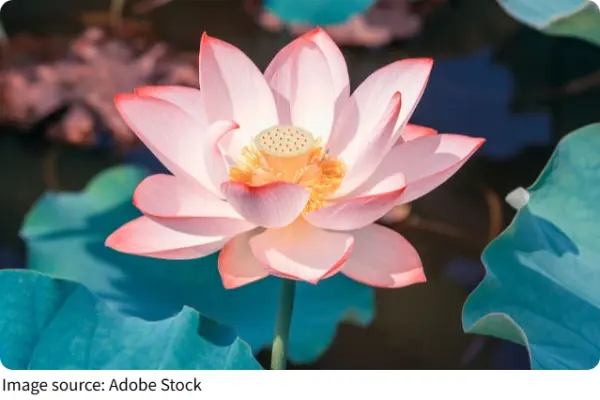
Lotus cultivation is a slow but rewarding process. From a simple rhizome resting under water, it gradually transforms into a structure of floating leaves and elevated blossoms. With steady conditions and careful setup, even a modest container of water can become a living display of balance, patience, and natural elegance.