Phlox Care Guide
Nolan O'Connor
| 25-04-2026
 · Plant Team
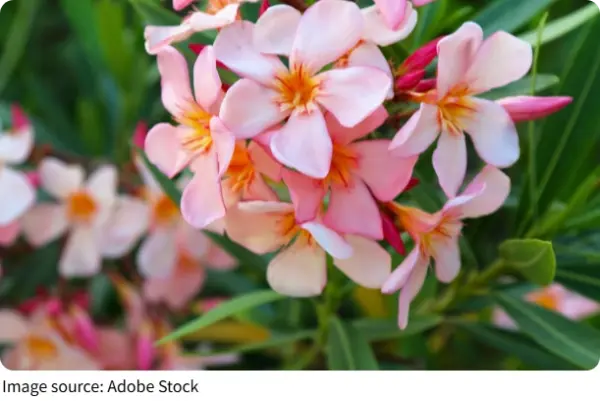
A cluster of Phlox flowers sways gently in the breeze, forming dense clouds of color that seem almost effortless.
Yet behind that softness is a plant that responds quickly to small changes in care.
With consistent attention, Phlox can remain lush, compact, and full of blooms throughout its growing cycle.
Understanding Phlox Growth Habits
Phlox is a flowering plant that thrives in moderate conditions and rewards regular maintenance with continuous blooms. It grows in clusters, meaning airflow, spacing, and light exposure directly affect its health.
There are two common growth types: upright varieties that form tall stems, and creeping varieties that spread across the ground. Both require similar care principles, but their watering and pruning needs can differ slightly.
Light and Location Balance
Phlox performs best in environments with steady sunlight. However, too much harsh exposure can stress the plant, while too little light reduces flowering.
Ideal placement includes:
• Areas with morning sunlight and light afternoon shade
• Spaces with good air circulation
• Protection from strong, drying winds
Balancing light exposure helps maintain both flower quality and leaf health.
Watering with Precision
Phlox prefers consistent moisture but does not tolerate waterlogged conditions. The key is maintaining even soil hydration without saturation.
Watering guidelines:
• Water at the base of the plant to avoid wet leaves
• Keep soil lightly moist, not soggy
• Increase frequency during warm, dry periods
• Reduce watering when growth slows
Overwatering can lead to weak roots, while underwatering may cause flowers to fade prematurely.
Soil and Nutrient Support
Healthy soil is essential for long-lasting blooms. Phlox benefits from nutrient-rich, well-draining soil that supports root expansion.
1. Soil composition
A mix of garden soil, compost, and light organic matter works well.
2. Nutrient feeding
Apply a balanced fertilizer during active growth phases to support flowering.
3. Soil renewal
Refresh the top layer periodically to maintain nutrient availability.
Good soil structure also improves water distribution and prevents compaction around roots.
Pruning for Continuous Blooms
Regular pruning encourages fuller growth and more flowers. Without trimming, Phlox can become dense and reduce airflow, which may affect blooming quality.
Pruning steps:
• Remove faded flowers to encourage new buds
• Trim back overly long stems for shape control
• Clear dead or weak growth to improve circulation
This process helps the plant redirect energy into fresh blooms instead of aging parts.
Pest and Stress Management
Phlox is relatively resilient but can still face common garden stress factors. Early detection is important for maintaining plant health.
Watch for:
• Discolored or curling leaves
• Reduced flowering activity
• Visible leaf damage
Simple preventive care includes maintaining airflow, avoiding overcrowding, and inspecting leaves regularly. Healthy spacing between plants reduces the chance of issues spreading.
Seasonal Care Adjustments
Phlox care changes slightly depending on growth intensity throughout the year. During peak blooming periods, the plant requires more water and nutrients. When growth slows, maintenance becomes lighter.
1. Active growth phase
Increase watering and feeding frequency.
2. Blooming phase
Focus on deadheading and light trimming.
3. Resting phase
Reduce watering and avoid heavy pruning.
Adjusting care based on growth rhythm helps extend the plant's lifespan and blooming cycle.
Spacing and Airflow Importance
Crowding is one of the most common issues in Phlox cultivation. Dense planting reduces airflow, which can weaken stems and limit flower development.
Ensure:
• Adequate spacing between plants
• Unobstructed air movement
• Avoidance of overlapping foliage
Proper spacing allows each plant to grow fully without competition for resources.
Phlox rewards consistency more than complexity. With balanced light, careful watering, and regular pruning, it maintains its dense clusters of color with minimal stress. Each small adjustment in care contributes to healthier growth, turning a simple garden patch into a steady display of vibrant blooms.