Glazed Donut Recipe

Arvind Singh
| 12-04-2026
 · Lifestyle Team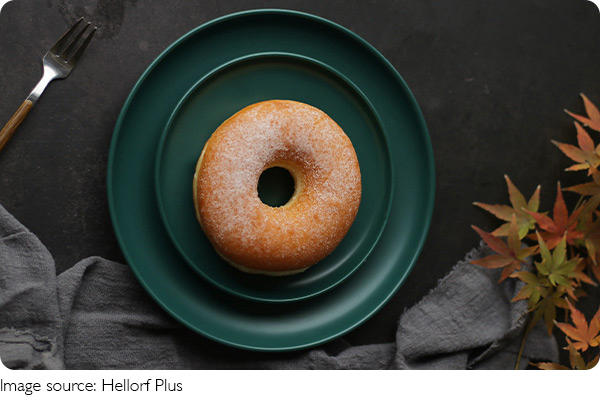
Be honest — when was the last time a donut actually stopped you mid-bite? That golden ring, perfectly puffed and warm, coated in a glaze so glossy it catches the light like lacquer.
Paired with a flat white and you have the kind of morning that feels designed, not accidental. The good news: this is not a bakery secret. With the right dough, the right temperature, and a little patience, you can pull these out of your own kitchen. Ready to try?
What You Will Need (Makes 10–12 Donuts)
For the Donut Dough:
● All-purpose flour — 360g (3 cups)
● Instant dry yeast — 7g (1 packet)
● Caster sugar — 60g (¼ cup)
● Warm whole milk (110°F / 43°C) — 120ml (½ cup)
● Warm water — 60ml (¼ cup)
● Large eggs, room temperature — 2
● Unsalted butter, softened — 60g (¼ cup)
● Pure vanilla extract — 1 tsp
● Fine sea salt — ½ tsp
● Neutral oil for frying — ~1 litre (vegetable or sunflower)
For the Vanilla Glaze:
● Powdered sugar, sifted — 240g (2 cups)
● Whole milk — 4–5 tbsp
● Pure vanilla extract — 1 tsp
● Pinch of sea salt
Step-by-Step Instructions
Step 1 — Activate the Yeast
Combine warm water, warm milk, and a pinch of the sugar in a bowl. Sprinkle the yeast over the top and let it sit for 8–10 minutes. It should turn frothy and smell slightly doughy. If nothing happens after 10 minutes, your water was too hot or too cold — start again. This step determines whether your donuts rise properly or come out dense and flat.
Step 2 — Make the Dough
In a large bowl or stand mixer fitted with a dough hook, combine flour, remaining sugar, and salt. Add the yeast mixture, eggs, and vanilla. Mix on medium speed until a shaggy dough forms. Add softened butter in small pieces and continue mixing for 6–8 minutes until the dough is smooth, elastic, and pulls cleanly away from the sides. It will feel slightly tacky — that is correct. Do not add extra flour.
Step 3 — First Rise
Shape the dough into a ball, place it in a lightly oiled bowl, and cover with a clean kitchen towel. Leave in a warm spot for 1 to 1.5 hours until doubled in size. The slower the rise, the better the flavour — if you have time, refrigerate overnight for a cold rise and fry the next morning.
Step 4 — Shape and Second Rise
Turn the dough onto a lightly floured surface and roll to about ¾ inch (2cm) thickness. Use a round cutter (3 inches) and a smaller cutter (1 inch) for the holes. Place cut donuts on parchment-lined trays, cover loosely, and let rise again for 30–45 minutes until noticeably puffed. Do not skip this second rise — it is what gives the donuts their light, airy interior.
Step 5 — Fry to Golden
Heat oil in a deep, heavy-bottomed saucepan to 350°F (175°C). Use a thermometer — temperature control is everything here. Too hot and the outside burns before the inside cooks; too cool and the donut absorbs excess oil. Fry 2–3 donuts at a time for 60–90 seconds per side until deep golden. Lift out with a slotted spoon and drain on a wire rack, not paper towels, so the base stays crisp.
Step 6 — Make the Glaze and Dip
Whisk together powdered sugar, milk, vanilla, and salt until completely smooth and pourable. It should coat the back of a spoon but still drip off slowly. Dip each warm donut face-down into the glaze, lift, let the excess drip off, then set on a wire rack. The glaze sets in about 5 minutes at room temperature into that signature glossy shell. Serve immediately alongside a strong flat white.
Key Tips and Notes
1. Oil temperature is non-negotiable. Invest in a kitchen thermometer. Guessing will cost you a batch of greasy or burnt donuts.
2. Don't overwork the dough. Mix until just smooth. Overworking develops too much gluten and makes the donuts tough rather than tender.
3. Glaze while warm, not hot. If the donut is too hot, the glaze slides right off. Wait 2–3 minutes after frying before dipping.
4. Fry the donut holes too. They take only 45–60 seconds per side and are arguably the best part of the whole batch.
5. Best eaten the same day. Glazed donuts are at their peak within 2 hours of frying. Store leftovers uncovered at room temperature — covering them makes the glaze sticky.
Variations Worth Trying
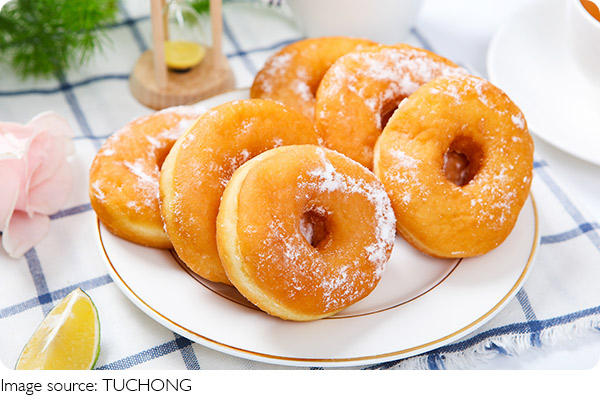
Swap the vanilla glaze for a maple glaze by replacing milk with pure maple syrup and skipping the vanilla. For a citrus twist, add lemon zest and a tablespoon of fresh lemon juice to the base glaze. If you want the golden caramel colour seen in the photo, add a tablespoon of honey to the glaze and let it set slightly longer before serving.
There is something almost meditative about making donuts from scratch — the waiting, the rising, the careful watching of oil temperature. And when that first golden ring comes out of the oil and slides into the glaze, you will understand why no store-bought version ever quite measures up. Have you tried making donuts at home before? Drop a comment below and tell us what worked, what didn't, and which glaze variation you're planning to try first.