Perfect Vase Selection

Caleb Ryan
| 21-03-2026
 · Plant Team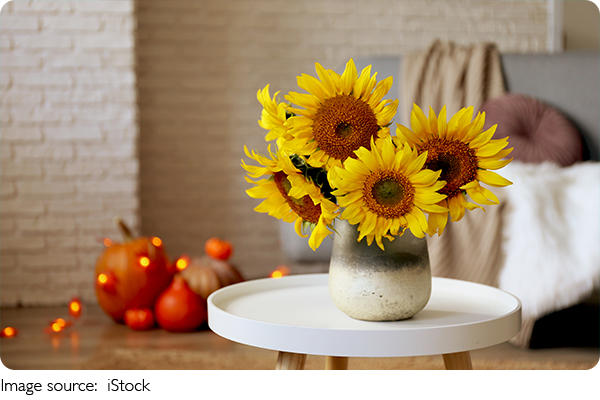
A beautiful flower arrangement does not begin with flowers—it begins with the vase.
The container defines the structure, guides the composition, and subtly influences how the entire design is perceived.
Choosing the right vase is not simply a decorative decision; it is a foundational step that determines balance, proportion, and style.
The Vase as a Structural Foundation
Every floral arrangement relies on support, and the vase provides that essential framework. Its height, opening, and shape directly affect how stems are positioned and how the arrangement holds together.
A narrow-neck vase gathers stems tightly, creating a compact and upright design. In contrast, a wide opening allows flowers to spread outward, resulting in a more relaxed and natural look.
The relationship between vase and flower length is also critical. A general guideline is that stems should be about one and a half times the height of the vase to achieve visual balance.
Narrow openings create structured arrangements
Wide openings allow for loose compositions
Proper proportions ensure visual harmony
Glass Vases: Light and Transparency
Glass vases are known for their simplicity and versatility. Their transparency allows the stems and water to become part of the design, creating a clean and modern aesthetic.
This type of vase works especially well in minimalist interiors, where clarity and light are emphasized. It is also ideal for showcasing the natural beauty of stems, particularly when they have interesting shapes or colors.
However, because glass reveals everything, it requires careful arrangement. Any imbalance or clutter becomes immediately visible, making precision essential.
Enhances a clean and modern look
Highlights stems as part of the design
Requires careful, neat arrangement
Ceramic Vases: Warmth and Character
Ceramic vases introduce a sense of warmth and texture. Their solid surfaces conceal stems, allowing the focus to remain entirely on the flowers. This makes them a strong choice for fuller, more expressive arrangements.
Available in a wide range of finishes—from matte to glazed—ceramic containers can complement both traditional and contemporary interiors. Neutral tones create a calm backdrop, while bold colors can add contrast.
Their weight also provides stability, making them suitable for larger arrangements with heavier stems.
Adds warmth and texture to the design
Hides stems for a cleaner floral focus
Offers strong support for larger arrangements
Metal Vases: Reflective and Bold
Metal vases bring a distinctive edge to floral design. Their reflective surfaces interact with light, adding depth and subtle highlights to the arrangement.
They are often used in modern or industrial interiors, where their sleek appearance complements clean architectural lines. Finishes such as brushed or polished metal can influence the mood, ranging from understated to striking.
Because of their visual strength, metal vases are best paired with simple arrangements. This prevents competition between the container and the flowers.
Reflects light for added dimension
Complements modern and industrial spaces
Works best with simple floral designs
Matching Vase to Interior Style
A well-chosen vase should feel like a natural extension of the surrounding space. In a minimalist room, a clear or neutral-toned vase maintains visual continuity. In a more decorative setting, textured or colored ceramics can enhance the overall aesthetic.
Scale is equally important. A large table can support a bold arrangement, while a small shelf benefits from a compact design. The vase should neither overpower the space nor disappear within it.
Designing with Intention
Selecting the right vase is an exercise in balance—between material, shape, and environment. Each choice influences how the arrangement is experienced, from the way light interacts with the surface to how the flowers are visually framed.
A thoughtful pairing of flowers and container transforms a simple arrangement into a cohesive design statement. It reminds us that beauty often lies not just in the elements themselves, but in how they are brought together with purpose.