Flamingo Color Secrets

Ethan Sullivan
| 19-03-2026
 · Animal Team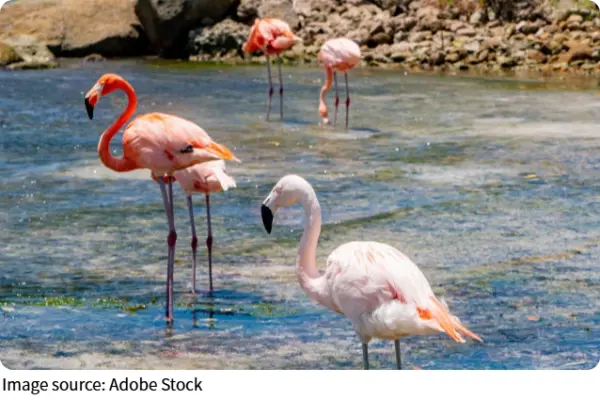
Flamingos are hard to miss with their bright, elegant feathers, but have you ever stopped to think why they are pink? Their color isn’t just for show—it tells an amazing story about what they eat, how healthy they are, and the environment they live in.
Today, we’ll dive into the science behind their pink feathers and uncover what these beautiful birds reveal about nature.
Diet, Not DNA, Creates the Pink Hue
Flamingos’ pink color doesn’t come from genetics or inherited pigments. Instead, it’s all about what they eat. Their diet mainly consists of algae, small crustaceans, and tiny shrimp. These foods are rich in carotenoids, natural pigments also found in carrots and sweet potatoes. Once ingested, flamingos metabolize these pigments and deposit them into their feathers, skin, and beaks.
In other words, flamingos are what they eat! Their stunning color is literally painted by their meals. If they eat less or poor-quality food, their feathers become paler, showing a direct link between diet and appearance. This makes their color an excellent indicator of nutritional health.
Male and Female Flamingos Show Color Differences
Not all flamingos are equally pink. Male flamingos tend to display brighter, more vivid colors than females. This difference plays a key role during mating. Bright colors indicate good health and strong genes, which are attractive to potential mates. In the wild, more colorful males usually have better success finding partners, showing that their beauty isn’t just visual—it has survival value too.
Even in groups, flamingos seem to notice subtle differences in color. Researchers have observed that birds with duller feathers are sometimes less successful in social interactions, highlighting how color communicates information about overall health.
From Gray Chicks to Pink Birds
Flamingos aren’t born pink. Chicks hatch with gray feathers, and their color gradually changes as they grow. The transformation happens slowly, depending on the richness of carotenoids in their diet.
Watching this color change is like observing a natural progress report: gray chicks that get plenty of nutritious food turn pink faster, while those with limited access to pigment-rich food remain paler longer. This process reflects not just aesthetics—it is a visible sign of growth, nutrition, and well-being.
The Role of the Environment in Feather Color
A flamingo’s environment also affects its feather color. Lakes and wetlands vary in food availability, water temperature, and salinity, all of which influence how effectively flamingos can feed and metabolize pigments. In habitats where food is abundant and conditions are optimal, flamingos show richer and more vibrant colors.
In fact, the brightness of a flamingo’s feathers can act as a natural indicator of ecosystem health. A dull group may signal environmental stress, like lower food supplies or water pollution. Observing flamingos, therefore, gives us clues about the broader ecological conditions in their habitat.
Lessons About Nature and Conservation
Understanding why flamingos are pink helps us see how interconnected diet, environment, and health are. It also reminds us that ecosystems are fragile. Protecting wetlands, maintaining food chains, and keeping habitats safe is essential—not only for flamingos, but for countless other species that depend on balanced ecosystems.
Every time we learn about these birds, we are reminded that conservation is more than preserving beauty—it’s about protecting life-supporting systems. By appreciating these links, we develop a stronger motivation to care for the environment in our daily lives.
Pink Feathers, Powerful Symbol
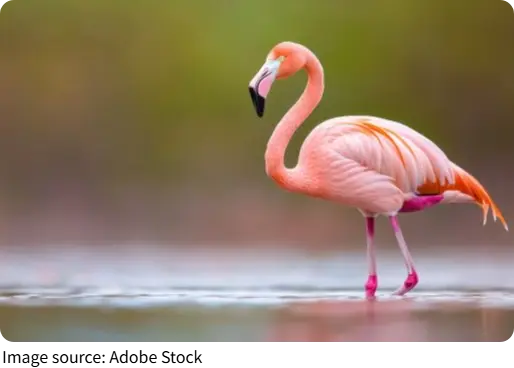
In short, the striking pink feathers of flamingos result from a remarkable interaction between diet and environment. These birds are not just beautiful—they are living indicators of ecological health. Their color tells a story about nutrition, habitat quality, and the natural balance that sustains life.
Lykkers, next time you see a flamingo, remember that each shade of pink is a reflection of what they eat and the environment they live in. Let’s celebrate these incredible birds and take action to protect their habitats so that future generations can enjoy their beauty too.