Everyday Hair Care Tips

Mason O'Donnell
| 13-02-2026
 · Fashion Team
There's nothing like running your fingers through smooth, healthy hair—it instantly lifts your mood.
But keeping hair in great condition isn't just about the shampoo you use; it's about daily habits, smart styling, and knowing how to handle different hair types.
Here's a practical guide to maintaining hair that looks and feels its best.
Choose the Right Shampoo and Conditioner
Using products that suit your hair type is the first step toward healthy strands.
Identify your hair type: Fine, thick, curly, or straight hair all have different needs. For example, fine hair benefits from lightweight formulations, while curly hair needs more moisture.
Look at ingredients: Gentle, sulfate-free shampoos prevent dryness. Conditioners with nourishing oils help maintain softness.
Actionable example: If your hair feels dry, try a conditioner with natural oils like argan or jojoba, applying from mid-length to ends for even hydration.
Wash Hair Properly
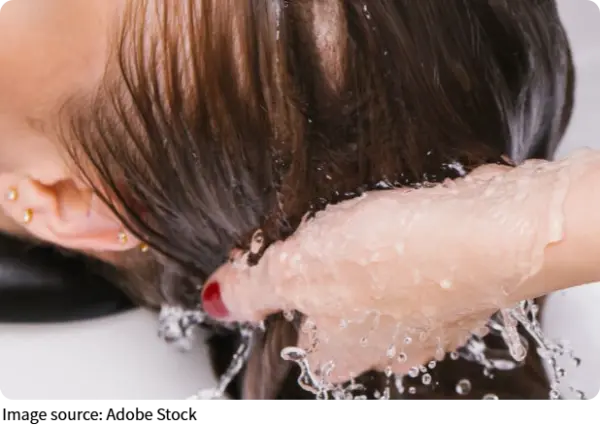
How you wash your hair matters as much as what you wash it with.
Temperature control: Use lukewarm water. Hot water can remove natural oils, leaving hair dry.
Gentle technique: Massage the scalp with fingertips, not nails, to stimulate circulation without causing breakage.
Actionable example: Limit washing to two to three times per week for most hair types. Overwashing can remove essential moisture and make hair prone to damage.
Protect Hair from Heat
Styling tools can be convenient, but excessive heat can weaken strands.
Heat protectants: Always apply sprays or creams before using a heat dryer, straightener, or curling iron.
Lower temperatures: Use moderate settings to reduce stress on hair fibers.
Actionable example: Let hair air-dry for 10–15 minutes before using a heat dryer to cut down exposure to heat.
Trim Regularly
Trimming prevents split ends and keeps hair looking fresh.
Frequency: Every 6–8 weeks is ideal, depending on hair growth and condition.
Focus areas: Trim just the ends to maintain length while removing damaged tips.
Actionable example: Schedule a quick trim every two months to keep hair healthy without sacrificing length.
Use Gentle Styling Practices
Daily habits can make a huge difference in hair health.
Brush carefully: Use wide-tooth combs for wet hair and detangle from ends upward.
Avoid tight hairstyles: Styles that pull on hair can lead to breakage over time.
Actionable example: Switch to soft hair ties and try loose braids instead of tight ponytails to reduce strain on hair strands.
Maintain a Healthy Lifestyle
Hair health reflects overall wellness, so consider diet and lifestyle.
Balanced nutrition: Protein, vitamins, and minerals support growth and shine. Foods like eggs, nuts, and leafy greens are beneficial.
Hydration: Drink plenty of water to keep hair hydrated from within.
Actionable example: Include a handful of almonds or pumpkin seeds in your daily snack routine to provide hair-friendly nutrients.
Nighttime Care
How you treat hair while sleeping can influence its condition.
Silk or satin pillowcases: Reduce friction and minimize tangles.
Loose hairstyles: A low braid or ponytail prevents breakage during movement at night.
Actionable example: Wrap long hair in a silk scarf before bed to protect strands and maintain smoothness.
Healthy, vibrant hair is achievable with mindful care and consistent habits. From choosing the right products to gentle styling and regular trims, these practical steps help hair stay strong, shiny, and resilient. By making small adjustments to daily routines, you can enjoy hair that not only looks great but also feels healthy from root to tip.