Summer Bouquet Secrets

Amit Sharma
| 03-02-2026
 · Plant Team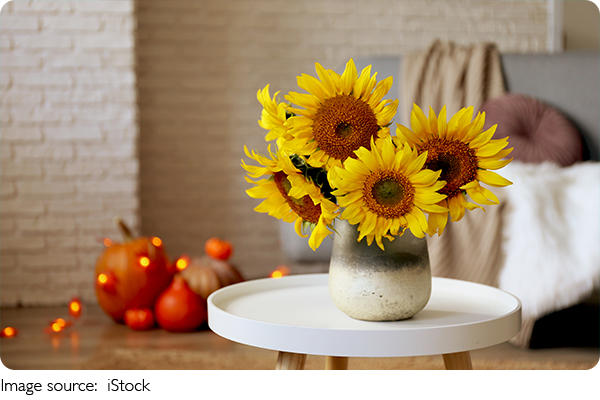
Nothing brightens a room quite like a summer bouquet. The sight of vibrant blooms, paired with leafy greens and unexpected accents, can lift moods and transform any space.
Creating your own arrangement doesn't have to be intimidating—understanding color, texture, and proportion is the key to a bouquet that feels effortless yet artful.
Choosing the Right Flowers
Selecting blooms is the first step toward a balanced summer bouquet. Focus on flowers that are in season to ensure freshness and longevity.
Examples and tips:
1. Sunflowers bring bold yellow tones and height to any arrangement.
2. Zinnias and dahlias provide bright pops of color and varied shapes.
3. Smaller filler flowers like baby's breath or wax flowers add softness and depth.
Actionable example: Pair tall sunflowers with medium-height zinnias and a few sprigs of white wax flowers to create a visually layered bouquet that feels full without overcrowding.
Playing with Colors
Color combinations can make or break a bouquet. Summer arrangements often shine when they balance bright and soft hues.
Examples and tips:
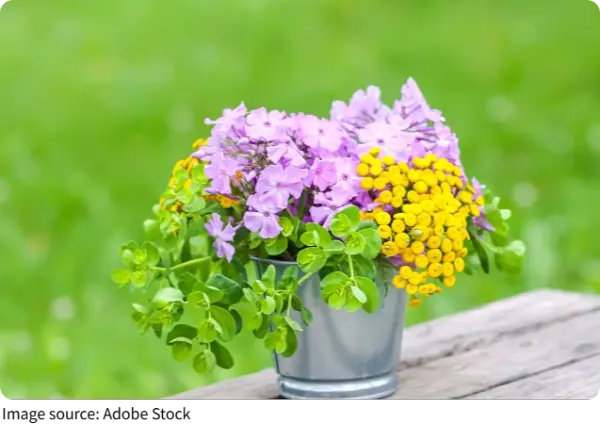
1. Complementary colors, like purple and yellow, create dynamic contrast.
2. Analogous colors, such as pink, coral, and orange, offer a harmonious, warm palette.
3. Include neutral accents like green foliage or white flowers to prevent the bouquet from feeling overwhelming.
Actionable example: Mix deep orange dahlias, soft pink zinnias, and green ferns to create a lively yet balanced bouquet that catches the eye without being too chaotic.
Adding Texture and Dimension
Texture helps your bouquet feel natural and engaging. Different leaf shapes, flower forms, and stem lengths create depth and interest.
Examples and tips:
1. Use tall, spiky flowers like liatris or gladiolus to add vertical lines.
2. Rounded blooms such as roses or ranunculus soften sharp textures.
3. Incorporate trailing vines or grasses to add movement and a relaxed, garden-like feel.
Actionable example: Arrange tall liatris in the center, surround them with rounded zinnias, and weave in some trailing eucalyptus to give the bouquet a dynamic, three-dimensional appearance.
Balancing Proportions
Proper proportions ensure that the bouquet feels well-constructed. Avoid placing all tall flowers in one spot or clustering colors unevenly.
Examples and tips:
1. Follow the one-third rule: tall flowers occupy roughly one-third of the arrangement.
2. Fill the remaining space with medium and small blooms to create a graduated effect.
3. Step back frequently to view the bouquet from a distance and adjust balance.
Actionable example: Position three tall sunflowers off-center, fill one side with mid-height zinnias, and tuck in shorter filler flowers around the base to create a pleasing triangular shape.
Choosing the Right Vase
The vase acts as the foundation of your bouquet and influences its overall style.
Examples and tips:
1. Clear glass vases showcase stems and create a light, airy look.
2. Ceramic or colored vases can enhance a specific color scheme.
3. Ensure the vase is proportionate to the bouquet—too small and the stems look cramped; too tall and the flowers may topple.
Actionable example: For a rustic summer arrangement, select a wide-mouthed ceramic vase, allowing the flowers to fan out naturally while keeping the stems secure.
Summer bouquets are all about embracing color, texture, and personality. Each arrangement tells a story—from the flowers you choose to the way they're balanced and displayed. By paying attention to proportions, textures, and color harmony, you can turn simple seasonal blooms into a bouquet that energizes your space and sparks joy. Take a moment to play with your favorite flowers this season—you might discover a new creative hobby that brightens your summer days.