Mauritius Lily Pads

Caroll Alvarado
| 03-02-2026
 · Plant Team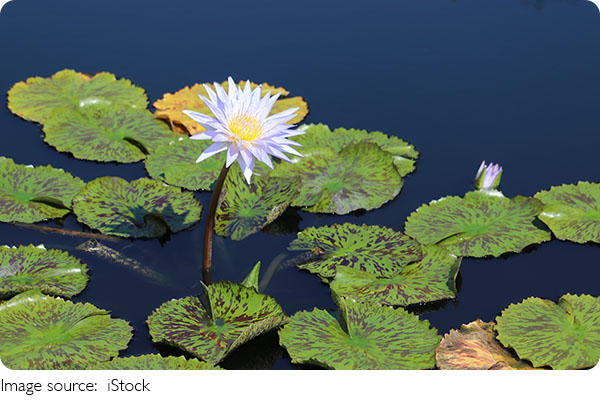
The sight of a calm pond dotted with giant, round leaves is mesmerizing, but nothing captures attention quite like the Mauritius lily pad.
Its dramatic size and delicate flowers make it more than just a plant—it's a living artwork floating on water. Understanding how to grow, care for, and showcase these lilies can turn any water feature into a tranquil masterpiece.
Understanding Mauritius Lily Pads
Mauritius lily pads are not your average aquatic plant. Their leaves can grow over two meters across, and their flowers open in the morning, showing off white or pink petals that can last for several days.
Key characteristics include:
1. Floating circular leaves that resemble giant discs.
2. Flowers that rise slightly above the water surface.
3. A rapid growth pattern under optimal conditions, which can cover large ponds quickly.
Actionable example: Place a single lily rhizome in a container submerged in shallow water for the first month to monitor growth before releasing it into a larger pond.
Ideal Growing Conditions
To thrive, Mauritius lily pads need calm water and plenty of sunlight. They are sensitive to strong currents and fluctuating temperatures.
Tips for ideal growth:
1. Choose a pond with at least six hours of direct sunlight daily.
2. Maintain water levels that keep the base of the rhizome submerged but allow leaves to float freely.
3. Ensure the water is nutrient-rich but not overly fertilized, as excess nutrients can encourage algae growth.
Actionable example: Add slow-release aquatic fertilizer near the rhizome every six weeks during the growing season to boost flower production.
Planting and Propagation
Mauritius lily pads are propagated mainly by dividing rhizomes. This method ensures that the new plants inherit all the traits of the parent.
Steps to propagate:
1. Gently lift the rhizome from the pond, rinse off mud, and inspect for healthy buds.
2. Cut sections with at least one growth bud each.
3. Plant each section in a small container filled with clay-rich soil and submerge it in shallow water until established.
Actionable example: Start propagation in spring, so the new lily pads have the entire growing season to expand before cooler months.
Maintaining a Healthy Pond
Even the hardiest Mauritius lily pads require a supportive environment. Leaf debris can accumulate quickly, affecting water quality and plant health.
Maintenance tips:
1. Remove dead leaves and spent flowers weekly to prevent decay.
2. Monitor water clarity and pH levels; lily pads prefer slightly acidic to neutral water.
3. Control pests such as snails or aphids using natural methods to avoid chemical harm.
Actionable example: Place floating traps or introduce small fish that eat pests to maintain a balanced ecosystem without harming the lilies.
Designing with Lily Pads
Mauritius lily pads are not just functional plants—they can be the centerpiece of a pond or water garden. Their large leaves create a striking contrast with smaller aquatic plants.
Design ideas:
1. Arrange multiple rhizomes in a triangular pattern for visual depth.
2. Mix with colorful water plants like lotus or water hyacinths for seasonal variety.
3. Place stones or floating wooden platforms nearby to create a naturalistic scene.
Actionable example: Use one large lily pad at the pond's center surrounded by smaller aquatic plants to draw the eye and create a focal point.
Flowering and Seasonal Care
Mauritius lily pads bloom in warm months, with flowers opening in the morning and closing at night. Proper seasonal care ensures consistent flowering year after year.
Flowering tips:
1. Remove faded flowers promptly to encourage new blooms.
2. Cut back excessive leaf growth in late summer to prevent overcrowding.
3. Protect rhizomes from frost in cooler climates by moving them indoors or insulating the pond.
Actionable example: Place mesh or netting over newly planted areas to protect delicate blooms from strong wind or heavy rain.
Environmental Benefits
Beyond beauty, Mauritius lily pads provide ecological advantages. Their leaves shade water, reducing algae growth, and they offer habitat for small fish and insects.
Benefits include:
1. Improved water oxygenation and microhabitats.
2. Natural filtration as leaves trap debris and sediment.
3. Enhanced biodiversity by attracting insects and amphibians.
Actionable example: Introduce small fish species compatible with lily pads to create a mini ecosystem that thrives naturally.
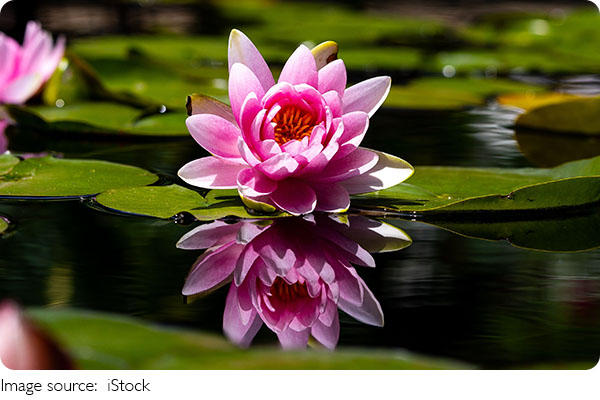
Observing Mauritius lily pads in bloom is a reminder of how a single plant can transform a simple pond into a living landscape. With the right care, these magnificent lilies provide visual drama, ecological benefits, and a serene centerpiece that enhances any outdoor space.