Wisteria Care Guide

Santosh Jha
| 03-02-2026
 · Plant Team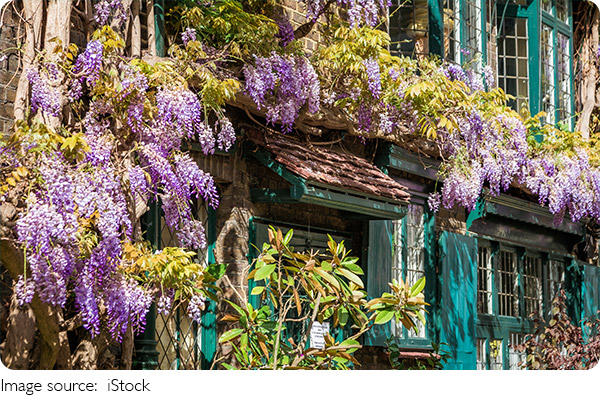
Wisteria can transform any garden with its graceful, hanging clusters of flowers, but its beauty comes with a bit of effort.
Watching a vine twirl around a trellis or cascade from a pergola is mesmerizing, yet achieving that stunning display takes patience and proper care.
Knowing how to nurture wisteria ensures not only healthy growth but also those spectacular blooms that make the plant a showstopper.
Choosing the Right Location
Selecting the ideal spot is the first step toward success. Wisteria thrives in full sunlight, needing at least six hours of direct sun daily for optimal flowering. It also requires strong support structures because its sturdy vines can become heavy over time.
Tips:
1. Plant near a pergola, arbor, or sturdy fence that can bear its weight.
2. Ensure good air circulation to prevent mildew and other fungal problems.
3. Avoid overly shaded areas, which can result in lush foliage but few blooms.
For example, placing your wisteria along a sun-facing wall not only maximizes light exposure but also allows the vine to climb safely without tangling nearby plants.
Soil and Watering Needs
Wisteria prefers fertile, well-draining soil but is adaptable to a range of soil types. Proper watering is essential, especially in the first few years after planting. Too little water can stress the plant, while excessive moisture may cause root rot.
Tips:
1. Water deeply once a week during dry periods to encourage deep root growth.
2. Mulch around the base to retain moisture and regulate soil temperature.
3. Consider adding organic compost annually to enrich the soil.
A practical example is spreading a layer of composted bark around the base, keeping it a few inches from the main stem. This not only improves soil fertility but also prevents weeds from competing for nutrients.
Pruning for Shape and Flowering
Pruning is crucial for maintaining wisteria's shape and encouraging prolific blooms. Regular trimming prevents the vine from becoming overgrown and ensures sunlight reaches inner branches.
Tips:
1. Prune in late winter to remove excess growth and shape the vine.
2. Summer pruning helps control vigorous shoots that can overtake other plants.
3. Always cut back to a bud or lateral branch to guide new growth.
For instance, cutting back long, uncontrolled shoots after flowering can help concentrate energy into flower production rather than excessive leafy growth.
Fertilization and Nutrient Management
Wisteria benefits from balanced fertilization, but too much nitrogen can produce more foliage than flowers. A fertilizer high in phosphorus encourages bloom development.
Tips:
1. Apply a low-nitrogen, high-phosphorus fertilizer in early spring.
2. Avoid over-fertilizing, which can lead to excessive leafy growth.
3. Monitor the plant's growth annually to adjust feeding as needed.
An actionable example is using a specialized bloom-boosting fertilizer, following the label's instructions, to enhance flower production without promoting unnecessary leaf growth.
Supporting Structures and Training
Because wisteria vines can grow vigorously, providing a strong framework is essential. Training young vines ensures they grow in the desired direction and prevents tangling or damage.
Tips:
1. Tie new shoots loosely to trellises or wires, checking regularly as they grow.
2. Remove crossing stems to improve air circulation and sunlight reach.
3. Consider training vines along pergolas or arches for dramatic, cascading effects.
For example, when a vine begins to spiral around a trellis, gently guide it in the desired direction, tying with soft garden twine to prevent constriction.
Pest and Disease Management
Wisteria is generally hardy, but it can face challenges from aphids, scale insects, or fungal infections. Preventive care and early detection help maintain plant health.
Tips:
1. Inspect foliage regularly for pests and treat with insecticidal soap if necessary.
2. Remove any diseased or damaged stems promptly to prevent spread.
3. Ensure proper spacing and pruning to reduce fungal risks.
For example, if small clusters of insects appear on new shoots, gently wash them off with water or use a mild, plant-safe solution to keep blooms healthy.
Encouraging Flowering in Young Plants
Wisteria can take a few years to bloom, so patience is key. Training, pruning, and appropriate fertilization encourage earlier flowering.
Tips:
1. Avoid over-fertilizing with nitrogen, which favors leaf growth.
2. Pinch back new growth during the first few years to focus energy on root and flower development.
3. Ensure consistent sun exposure to stimulate blooming.
A practical example is carefully pinching lateral shoots on a young vine in summer, directing the plant's energy toward establishing a strong, flower-producing framework.
Watching wisteria grow from a tender vine to a flowering masterpiece is rewarding, but success depends on consistent care. Each pruning, tie, and nutrient adjustment contributes to those breathtaking cascades of blossoms. With patience and attention, your wisteria will become a stunning centerpiece, offering both shade and floral beauty year after year.